

The wildfires in Los Angeles are devastating, leaving many people grappling with fear, sadness, and uncertainty. As a parent, you may wonder how to talk to your children about such an overwhelming situation. It’s natural to want to shield them, but helping them process their emotions is vital. Here are some dos and dont’s to guide you through these difficult conversations.
DO
Share your honest feelings to build trust and create a sense of security.
Take the lead as the emotional anchor of your family.
Use a natural, conversational tone to make your child feel at ease.
Recognize that grief is emotional, not intellectual. It’s normal for children to feel sadness or fear.
Understand that each child processes information differently based on their age and perspective.
Clearly express your beliefs about challenges like natural disasters to help your child make sense of the world.
Be patient and give your child space to form their own feelings and opinions.
Listen empathetically, without judgment, as your child shares their emotions.
Encourage open dialogue. Let your children talk about their thoughts and feelings as often as they need to.
Answer questions honestly and simply, addressing their concerns directly.
DON’T
Avoid dismissing fear. Instead of saying, “Don’t be afraid,” validate their feelings and provide reassurance.
Don’t trivialize sadness. Saying, “Don’t be sad,” minimizes a natural emotional response.
Don’t hide your own emotions. Pretending to be unaffected can confuse children and make them feel they must suppress their feelings.
Avoid comparisons that dismiss their emotions, such as, “Others have it worse.”
Don’t make promises you can’t guarantee. Say, “We will do our best to stay safe,” instead of “Everything will be fine.”
Resist the urge to “fix” their feelings. Acknowledge and understand rather than trying to solve their emotions.
Your children look to you for comfort and guidance during challenging times. By showing your own emotions in a healthy way, you encourage them to do the same. While we can’t control natural disasters like the fires in Los Angeles, we can create an environment of honesty and support, helping our children navigate these tough moments with courage and compassion.
_____________
If you are suffering from grief from the loss of your loved one, please reach out today. I am here to answer any questions you may have about The Grief Recovery Method. Let’s decide together if my 7-session program is right for you. I am here to help you live a more joyful, peaceful life.
Contact me at 615-905-6565 or email me at andrea@yourgriefsolution.com, you can also leave a private message in the contact section.
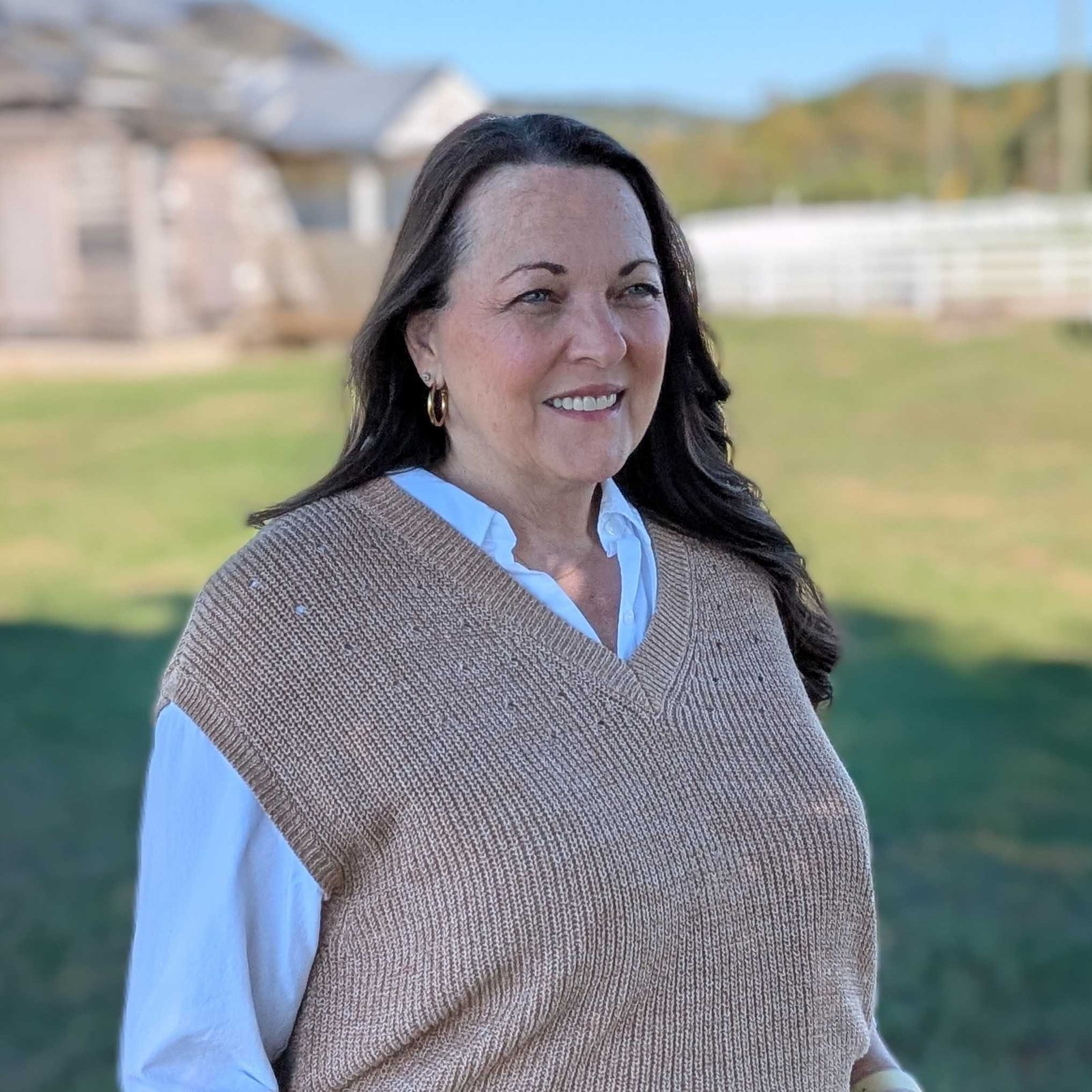
Andrea Davis
Certified Advanced Grief Recovery Specialist™ and founder of Your Grief Solution. Andrea guides grievers through the Grief Recovery Method® online and in person near Nashville, TN.
Ready to take the next step?
Book a FREE 30-minute Zoom discovery call, or start healing today with the Pathways Through Grief workbook.